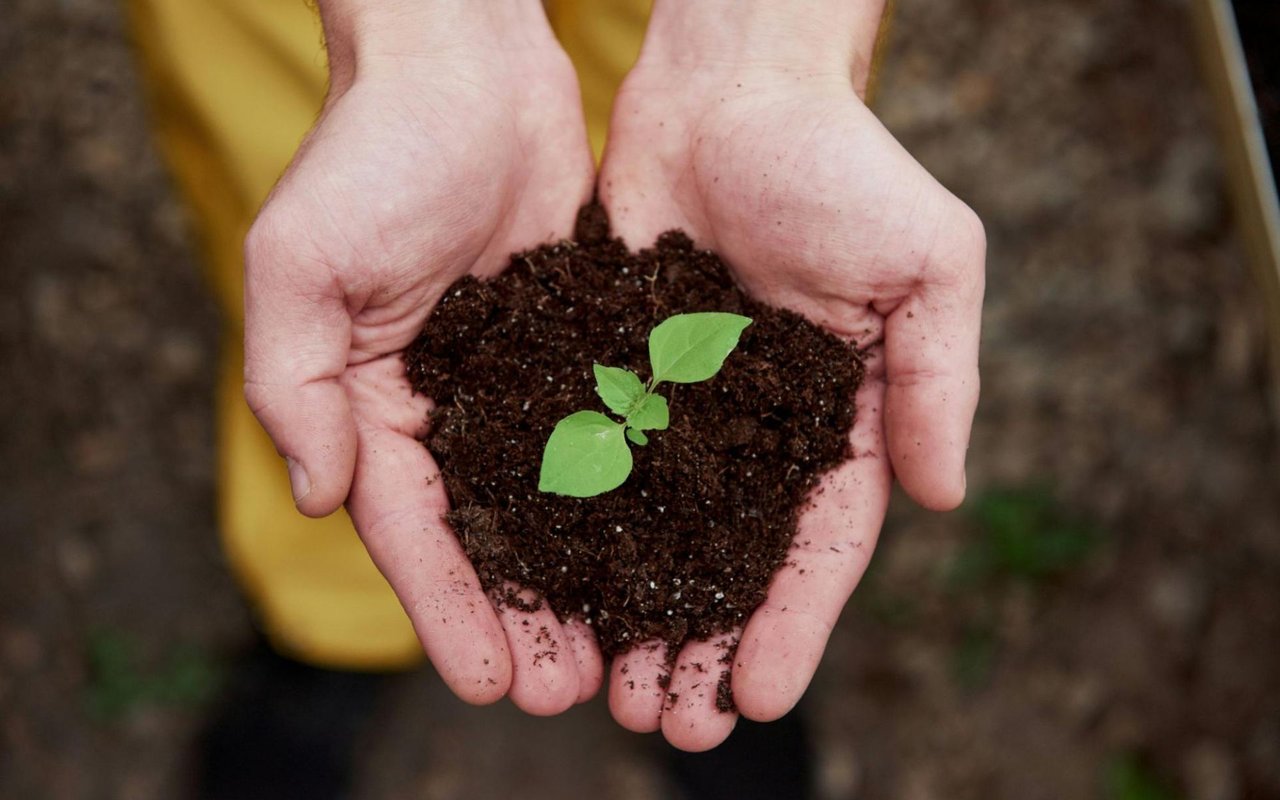
More homeowners in Holmdel are choosing to adopt eco-friendly practices to reduce their environmental impact, lower energy costs, and create healthier living spaces. From energy-efficient home designs to sustainable landscaping and water conservation efforts, the demand for green living has grown significantly. Buyers are increasingly looking for homes with solar panels, smart technology, and eco-conscious materials, making sustainability a valuable feature in today’s real estate market.
Whether you’re planning to upgrade your current home or searching for a property with green features, Holmdel offers numerous opportunities to embrace an eco-friendly lifestyle. Here’s a closer look at the best ways to create a more sustainable and energy-efficient home while enhancing your property’s value.
The Rise of Green Homes in Holmdel
Holmdel is known for its beautiful landscapes, tree-lined streets, and commitment to preserving green spaces. As sustainability becomes a priority for homeowners and developers, more properties are incorporating energy-efficient upgrades, environmentally friendly materials, and modern green technologies.
Why Choose an Eco-Friendly Home?
-
Lower Utility Bills – Energy-efficient homes use less electricity, water, and heating fuel, reducing monthly costs.
-
Healthier Indoor Air Quality – Sustainable homes often include low-VOC (volatile organic compound) paints, non-toxic materials, and enhanced ventilation for cleaner air.
-
Higher Property Value – Eco-conscious buyers recognize the long-term benefits of green homes, making them more desirable in the real estate market.
-
Environmental Impact – Sustainable homes reduce energy consumption, water waste, and reliance on non-renewable resources, benefiting the local ecosystem.
With increased awareness of eco-friendly practices, homebuyers in Holmdel are seeking properties that align with sustainable living without sacrificing modern conveniences.
Energy-Efficient Upgrades for Holmdel Homes
1. Solar Power and Renewable Energy
Solar energy has become a popular investment for homeowners in Holmdel, thanks to state and federal incentives that make installations more affordable. With ample sunlight throughout the year, solar panels can significantly reduce dependence on traditional power sources while lowering electricity costs.
-
Net Metering Benefits – New Jersey’s net metering program allows homeowners to earn credits for excess energy produced, further enhancing savings.
-
Solar Tax Credits – Federal and state programs help offset the initial installation costs, making solar energy an attractive long-term investment.
For those not ready for full solar panel installation, solar water heaters and solar-powered outdoor lighting are smaller-scale alternatives that still provide energy savings.
2. Smart Home Technology for Energy Conservation
Holmdel homeowners are embracing smart home technology to enhance efficiency and reduce energy waste. Integrating these automated systems can lead to significant energy savings while improving home convenience.
-
Smart Thermostats – Devices like the Nest or Ecobee automatically adjust heating and cooling based on occupancy and weather conditions.
-
LED Lighting & Motion Sensors – Replacing traditional bulbs with LED lighting and adding motion sensors reduces unnecessary energy use. LED bulbs not only consume less energy but also last significantly longer than traditional incandescent bulbs, making them a cost-efficient and low-maintenance lighting solution.
-
Water-Saving Fixtures – Smart irrigation systems and low-flow faucets and showerheads help conserve water without sacrificing performance.
Sustainable Building Materials and Home Improvements
3. Eco-Friendly Construction and Renovation Materials
Whether building a new home or renovating an existing one, choosing sustainable materials can significantly reduce environmental impact and improve home durability.
-
Reclaimed Wood – Used for flooring, cabinetry, and accent walls, reclaimed wood gives new life to salvaged materials while reducing deforestation.
-
Recycled Insulation – Materials like cellulose insulation (made from recycled newspaper) provide excellent thermal performance and sustainability.
-
Bamboo and Cork Flooring – These renewable materials are durable, stylish, and more eco-friendly than traditional hardwood.
4. High-Efficiency Windows and Insulation
Proper insulation and energy-efficient windows are essential for maintaining indoor temperatures and reducing heating and cooling costs. Many Holmdel homeowners are upgrading to:
-
Double or Triple-Pane Windows – These windows provide superior insulation by reducing heat loss in the winter and keeping interiors cooler in the summer, leading to lower energy consumption.
-
Reflective Roofing Materials – Designed to reflect sunlight instead of absorbing heat, these roofing materials help reduce indoor temperatures and decrease reliance on air conditioning.
-
Advanced Weather Sealing – Properly sealing windows, doors, and other openings prevents air leaks, ensuring optimal temperature control and improved energy efficiency throughout the year.
Sustainable Landscaping and Water Conservation
5. Native Plant Landscaping and Eco-Friendly Lawns
Holmdel homeowners are shifting towards sustainable landscaping by using native plants that require less water and maintenance. This approach helps reduce irrigation needs while supporting the local ecosystem.
-
Eastern Redbud and Dogwood Trees – These beautiful, drought-resistant trees thrive in New Jersey’s climate and require minimal upkeep, making them a great addition to sustainable yards.
-
Native Wildflowers and Pollinator Gardens – Planting native wildflowers attracts bees, butterflies, and other pollinators, helping to maintain biodiversity while adding vibrant color to the landscape.
-
Rain Gardens and Permeable Paving – Rain gardens help absorb excess rainwater, preventing soil erosion, while permeable paving materials allow water to filter through the ground instead of running off into storm drains.
6. Rainwater Harvesting and Irrigation Efficiency
Water conservation is a key aspect of eco-friendly living, and many Holmdel residents are adopting methods to use water more efficiently in their landscaping.
-
Rain Barrels – Collecting and storing rainwater allows homeowners to irrigate gardens without relying solely on municipal water, reducing overall consumption and utility costs.
-
Drip Irrigation Systems – These systems deliver water directly to plant roots through a slow-drip method, minimizing evaporation and ensuring that plants receive the right amount of moisture.
-
Smart Irrigation Controllers – These advanced systems monitor weather conditions and soil moisture levels to adjust watering schedules, preventing overwatering and reducing water waste.
Discover Green Living with The Gerine Team
Living in an eco-friendly home isn’t just about reducing environmental impact—it’s about creating a healthier, more efficient, and cost-effective living space. Whether you're looking for a property with solar panels, smart home technology, or sustainable landscaping, Holmdel offers excellent opportunities for green living.
If you're interested in buying or selling a sustainable home in Holmdel, working with an experienced real estate team can make all the difference. Contact The Gerine Team today for expert guidance on finding an energy-efficient, eco-conscious home that meets your needs.
If you're interested in buying or selling a sustainable home in Holmdel, working with an experienced real estate team can make all the difference. Contact The Gerine Team today for expert guidance on finding an energy-efficient, eco-conscious home that meets your needs.
