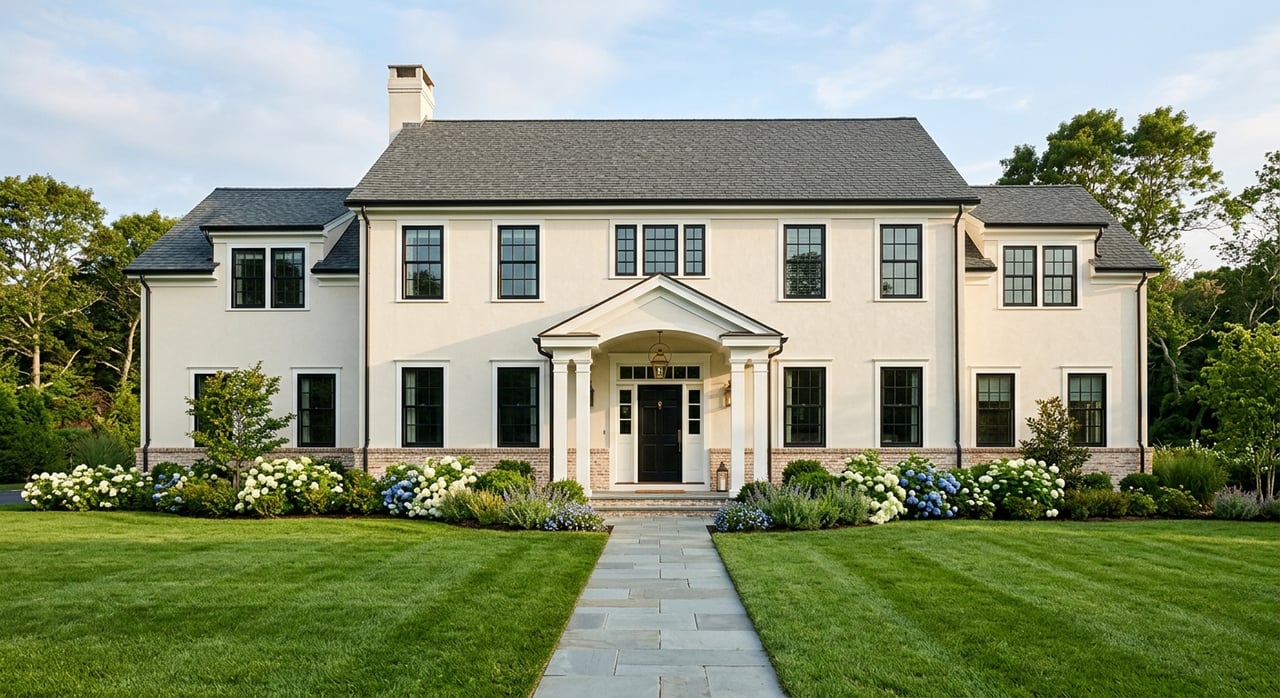
Thinking about buying a second home at the Jersey Shore? If Spring Lake is on your list, you are probably looking for more than just beach access. You may want a home that feels peaceful, established, and easy to enjoy across seasons. This guide will help you understand what makes Spring Lake unique, what costs and rules matter most, and how to think through your purchase with confidence. Let’s dive in.
Why Spring Lake Appeals to Second-Home Buyers
Spring Lake stands out as a historic, residential shore town with a distinct identity. The borough describes itself as a year-round community with a two-mile non-commercial boardwalk, a sand beach, a quaint downtown, bed-and-breakfast inns, and historic Victorian homes. That combination gives the town a quieter feel than many other beach destinations along the Jersey Shore.
Its history also helps explain the atmosphere you experience today. According to the borough’s history page, Spring Lake grew through rail access, resort hotels, and summer cottages. For you as a buyer, that often means a more established housing stock, a traditional streetscape, and a second-home market that tends to favor personal enjoyment over constant activity.
What Kind of Second Home Fits Here
Spring Lake may be a strong fit if you want a home you will use regularly for your own lifestyle. The town’s setting, historic character, and residential feel often appeal to buyers who want a calm coastal escape instead of a heavily commercial beach scene.
That matters because not every shore town offers the same experience. In Spring Lake, the appeal is often about morning walks on the boardwalk, easy access to the beach, and time spent in a community that feels more residential than entertainment-driven.
Expect Historic Homes and Cottages
Spring Lake is known for its historic homes, including Victorian properties and cottages. The borough’s historical materials reference Victorian Cottage and Queen Anne styles, along with homes that may include porches, carriage houses, and other period details. If architectural character matters to you, this is one of the town’s biggest draws.
That said, charm often comes with upkeep. Older homes can require more ongoing maintenance than newer construction, especially when they are exposed to salt air, coastal weather, and seasonal use. If you are buying a second home here, it helps to think beyond looks and consider how much time and budget you want to devote to care.
Focus on Location Within Spring Lake
In any shore market, location shapes both your lifestyle and your ownership experience. In Spring Lake, proximity to the beach can make your home easier to enjoy, especially for weekend stays or short visits.
The borough’s beach and pool information notes north and south end pavilions, seasonal badge access, and rules that regulate the beach and boardwalk during bathing season. If beach access is one of your main reasons for buying, you will want to weigh convenience, parking, and how often you plan to use the property throughout the summer.
Know the Beach Rules Before You Buy
Beach-town ownership always comes with local rules, and Spring Lake is no exception. The borough notes that tents and canopies are not permitted on the beach, and eating or alcoholic beverages are prohibited there as well. Activities like fishing, surfing, paddleboarding, kayaking, and windsurfing are limited to designated areas, according to the borough rules page.
These details may seem small at first, but they can shape how you use your second home. If your ideal beach lifestyle includes simple, low-key days by the water, the local structure may feel like a good fit. If you want a more flexible or activity-heavy environment, it is worth understanding those limits before you commit.
Budget Beyond the Purchase Price
Buying a second home means looking at the full cost of ownership, not just the sales price. In Spring Lake, taxes, seasonal fees, insurance, and maintenance can all affect your long-term comfort with the purchase.
The borough’s tax department lists quarterly tax due dates of February 1, May 1, August 1, and November 1. Delinquent interest is charged after the 10th day of the month taxes are due. If you do not live in town full time, having a reliable system for payment timing is important.
Plan for Flood Insurance and Storm Costs
Flood risk is one of the biggest financial considerations for shore buyers. The borough states that parts of Spring Lake are located in FEMA special flood hazard areas and notes that standard homeowners insurance does not cover flood losses. The borough also states that Spring Lake participates in FEMA’s Community Rating System, while FEMA identifies A and V zones as high-risk areas where federally backed mortgages require flood insurance.
You can review the borough’s flood information resources before you buy. If you are considering a property near the ocean or in a mapped flood zone, budget for insurance, storm preparation, and possible mitigation work such as elevation, flood vents, or drainage improvements. Those costs can be just as important as your mortgage payment when evaluating affordability.
Include Seasonal Use Costs
Owning a second home at the shore can also bring seasonal expenses that are easy to overlook. The borough’s beach and pool page lists 2026 seasonal beach badge pricing and notes that fees are adopted annually. Lockers, boxes, and pool or beach combinations may involve additional costs, so it is smart to confirm the current-year schedule directly through the official beach department page.
You should also think about practical ownership costs such as winterization, landscaping, storm cleanup, and routine maintenance after heavy weather. A beautiful shore home can be deeply rewarding, but it usually works best when you plan for both expected and unexpected expenses.
Understand Parking and Summer Logistics
A second home should make your life easier, not more complicated. That is why local logistics matter, especially in a shore town with peak-season activity.
The Spring Lake Police seasonal information page states that overnight parking is prohibited between 3 AM and 6 AM year-round, beachfront parking is strictly enforced, and Third Avenue has a three-hour parking limit from 9 AM to 6 PM daily except Sundays. The same page notes that summer includes concerts, fireworks, and heavier seasonal activity.
If you plan to host guests, come down on weekends, or spend extended time in town during summer, these rules are worth factoring into your decision. Convenience is part of the value of a second home, so it helps to know how parking and seasonal patterns could affect your routine.
Think Carefully About Rental Plans
Some buyers hope to offset costs by renting out their second home. In Spring Lake, that strategy requires close attention to local rules.
The borough’s rental procedures and rules state that a Certificate of Occupancy is required for all rentals, including Airbnb and VRBO, and for each new tenant. The same document states that residential rental Certificates of Occupancy may not exceed four per calendar year, landlords must carry $500,000 in liability insurance, pre-1978 rentals of 180 days or more need a lead-safe certificate, and unauthorized occupancy can trigger a $2,000 per day fine.
Spring Lake Is Not a Lightly Regulated Rental Market
For many buyers, these rules mean Spring Lake is better suited to personal use or more limited leasing plans than to an aggressive short-term rental model. If your main goal is maximizing frequent turnover and rental income, you should weigh these restrictions very carefully before moving forward.
On the other hand, if your goal is to own a well-located shore home for your own enjoyment with occasional, compliant rental use, Spring Lake may still be a strong fit. The key is making sure your purchase strategy matches the local framework.
Compare Spring Lake to Nearby Shore Towns
It helps to compare Spring Lake with nearby towns before you buy. Shore communities can look close on a map but feel very different once you spend time in them.
Sea Girt is one of the closest comparisons if you want a quiet, primarily residential beach setting. The borough of Sea Girt describes itself as primarily residential, with beaches and a boardwalk open year-round.
Belmar offers a more active contrast. Discover Belmar describes the town as a premier Jersey Shore destination with sandy beaches, a deep water marina, a mile-long boardwalk, and a dense mix of shops, cafes, boutiques, and eateries.
Manasquan falls somewhere in between. The borough of Manasquan describes a one-mile Atlantic beach, a downtown business district, and a setting with both residential and commercial areas. For you, the practical takeaway is simple: Spring Lake tends to sit closer to the quiet, historic, owner-use end of the spectrum.
A Smart Buying Approach in Spring Lake
When you buy a second home in Spring Lake, the goal is not just to find a beautiful house. It is to find the right match between property style, location, carrying costs, and how you actually plan to use the home.
A smart approach usually includes:
- Defining whether the home is mainly for personal use, seasonal use, or limited rental use
- Reviewing flood zone status and insurance implications early
- Budgeting for taxes, maintenance, badges, storm prep, and seasonal services
- Looking closely at beach access, parking, and convenience for your typical stay pattern
- Understanding rental rules before assuming income potential
- Comparing Spring Lake with nearby shore towns to confirm the lifestyle fit
If you are considering a second home here, details matter. A property that looks perfect online may feel very different once you factor in access, upkeep, regulations, and year-round ownership logistics.
Final Thoughts on Buying a Second Home
Spring Lake offers a very specific kind of shore experience. It is historic, residential, and well suited to buyers who value a quieter setting, classic homes, and a more personal-use approach to beach-town ownership.
If that sounds like your vision, the right guidance can help you evaluate options clearly and avoid surprises. When you are ready to explore Spring Lake or compare it with other Monmouth County shore markets, connect with The Gerine Team for knowledgeable, detail-focused support.
FAQs
What makes Spring Lake attractive for a second home?
- Spring Lake is known for its historic residential character, non-commercial boardwalk, beach access, and quieter shore-town setting, which can appeal to buyers seeking personal use over a more activity-driven environment.
What should buyers budget for in Spring Lake beyond the home price?
- You should plan for property taxes, flood insurance if applicable, seasonal beach-related costs, storm preparation, winterization, and ongoing maintenance that can come with coastal ownership.
What should buyers know about Spring Lake flood risk?
- Parts of Spring Lake are in FEMA special flood hazard areas, standard homeowners insurance does not cover flood losses, and federally backed mortgages require flood insurance in high-risk A and V zones.
What should buyers know about renting out a second home in Spring Lake?
- Spring Lake requires a Certificate of Occupancy for all rentals and for each new tenant, limits residential rental COs to four per calendar year, and has other compliance requirements that can affect short-term rental plans.
How does Spring Lake compare with Belmar and Manasquan for second-home buyers?
- Spring Lake generally offers a quieter, more historic and residential feel, Belmar has a more active and commercial beach atmosphere, and Manasquan offers a mix of beach access and downtown activity.
